A Theatre of World Power: Britain, Russia and the Baltic 1807–1907
Prof Andrew Lambert, Kings College, London
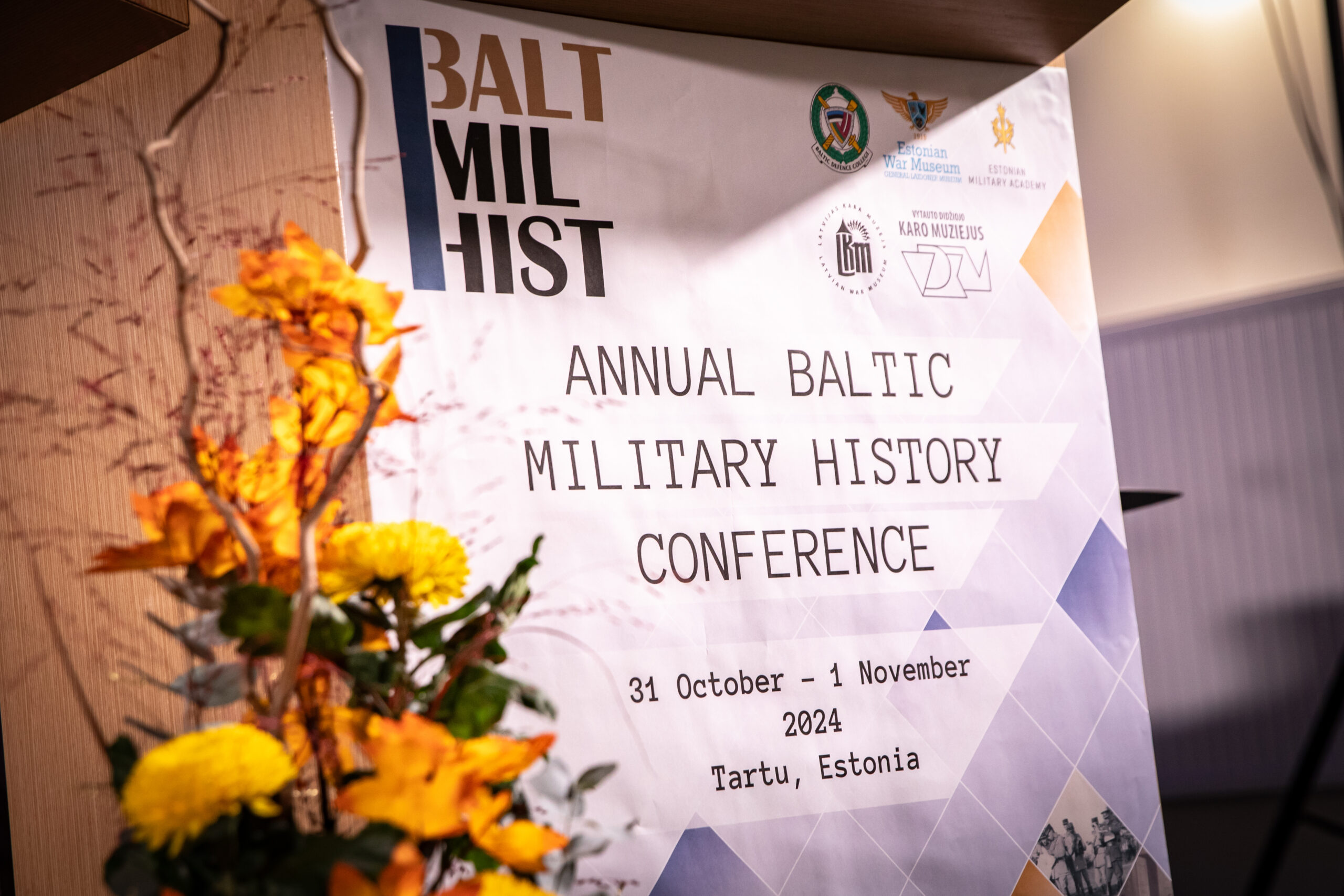
XVII Annual Baltic Military History Conference
29–30 October 2026 · Tartu, Estonia
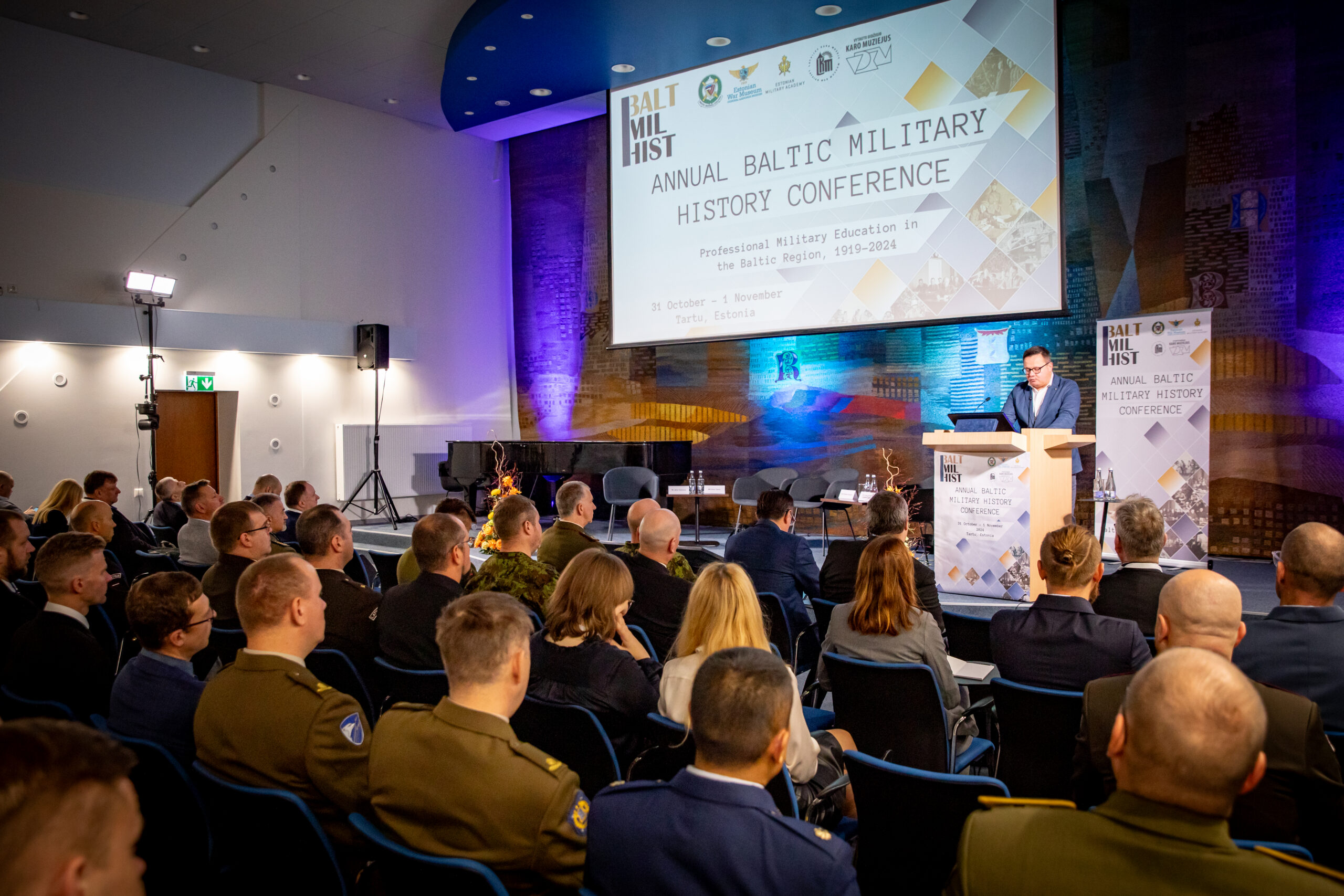
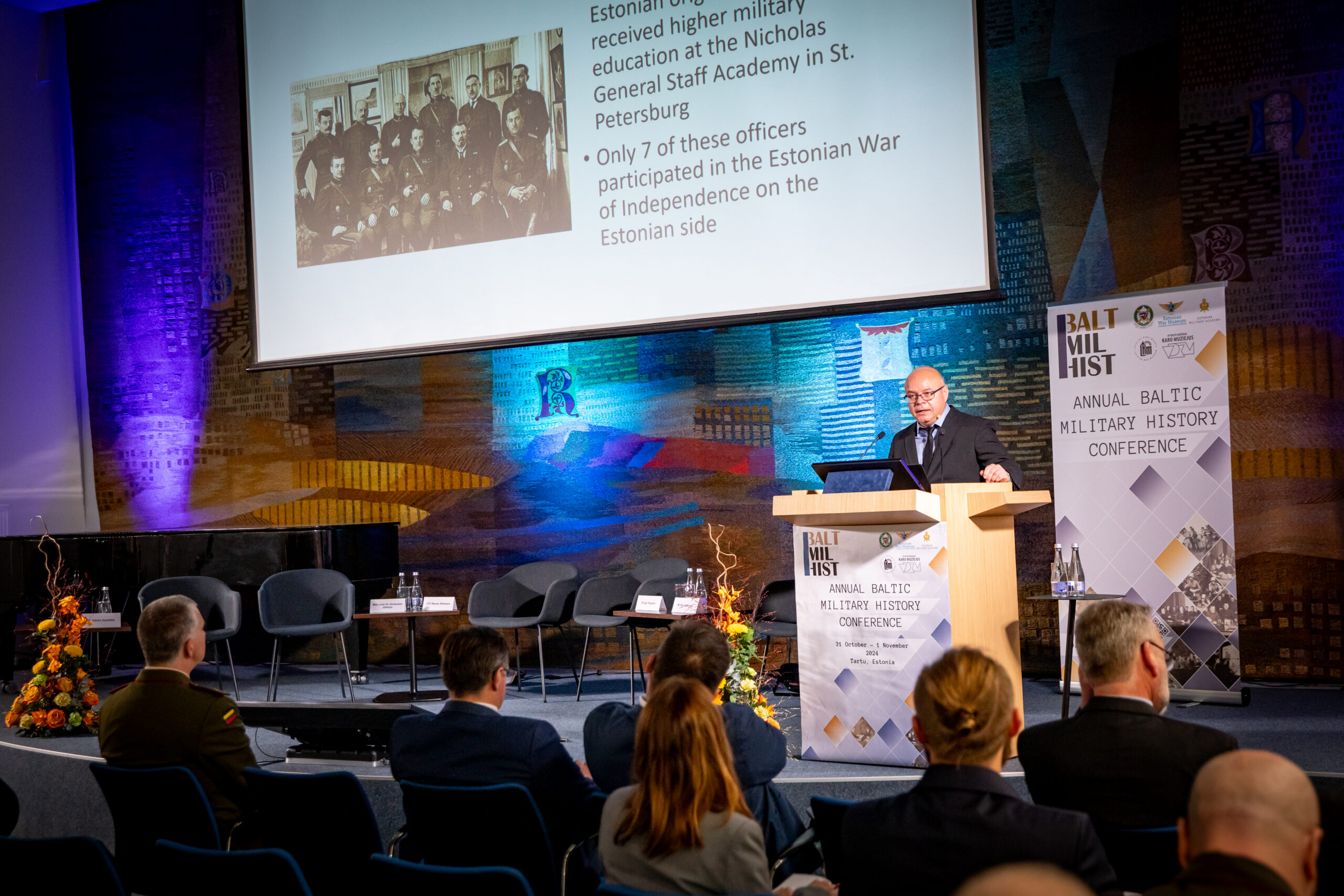
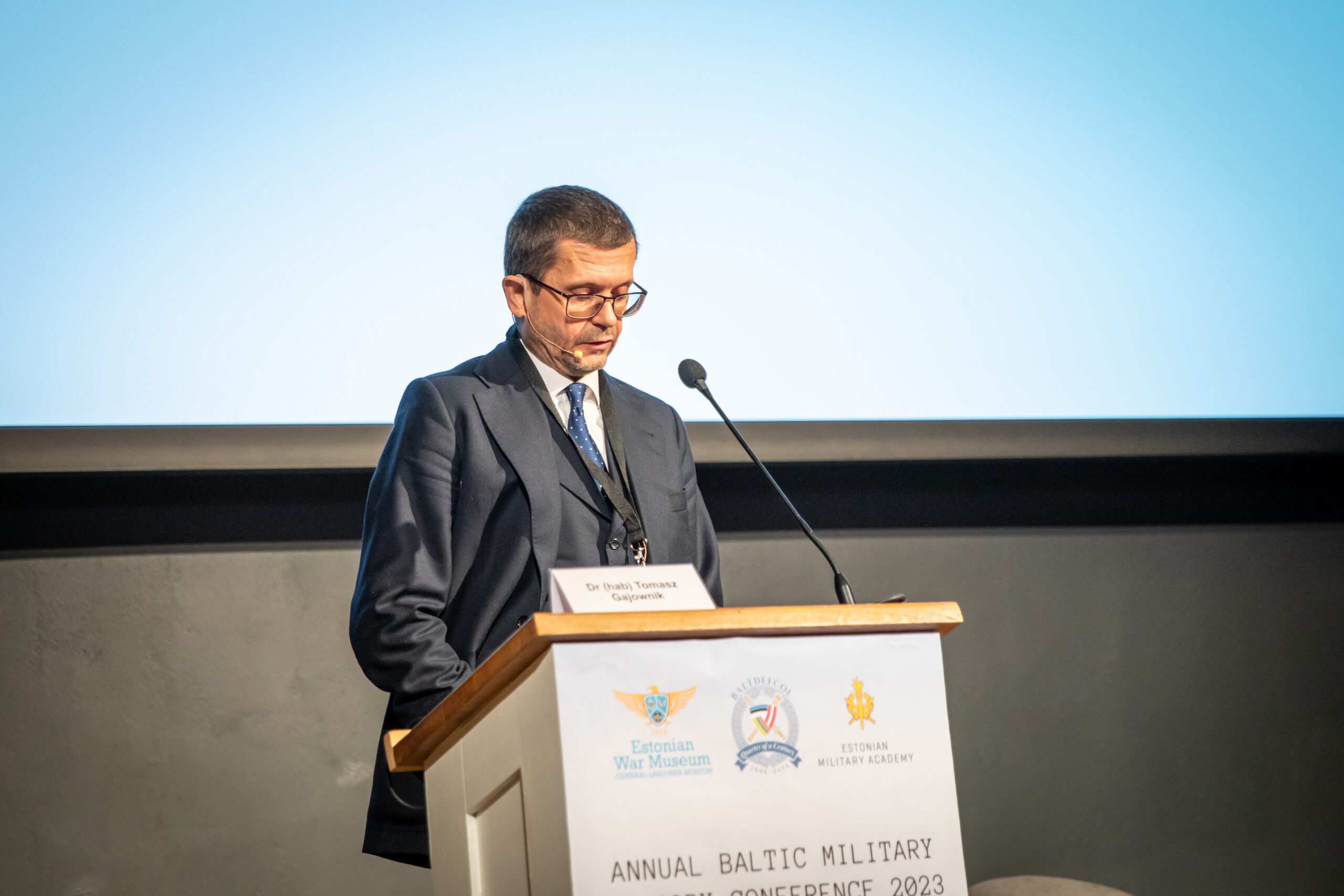
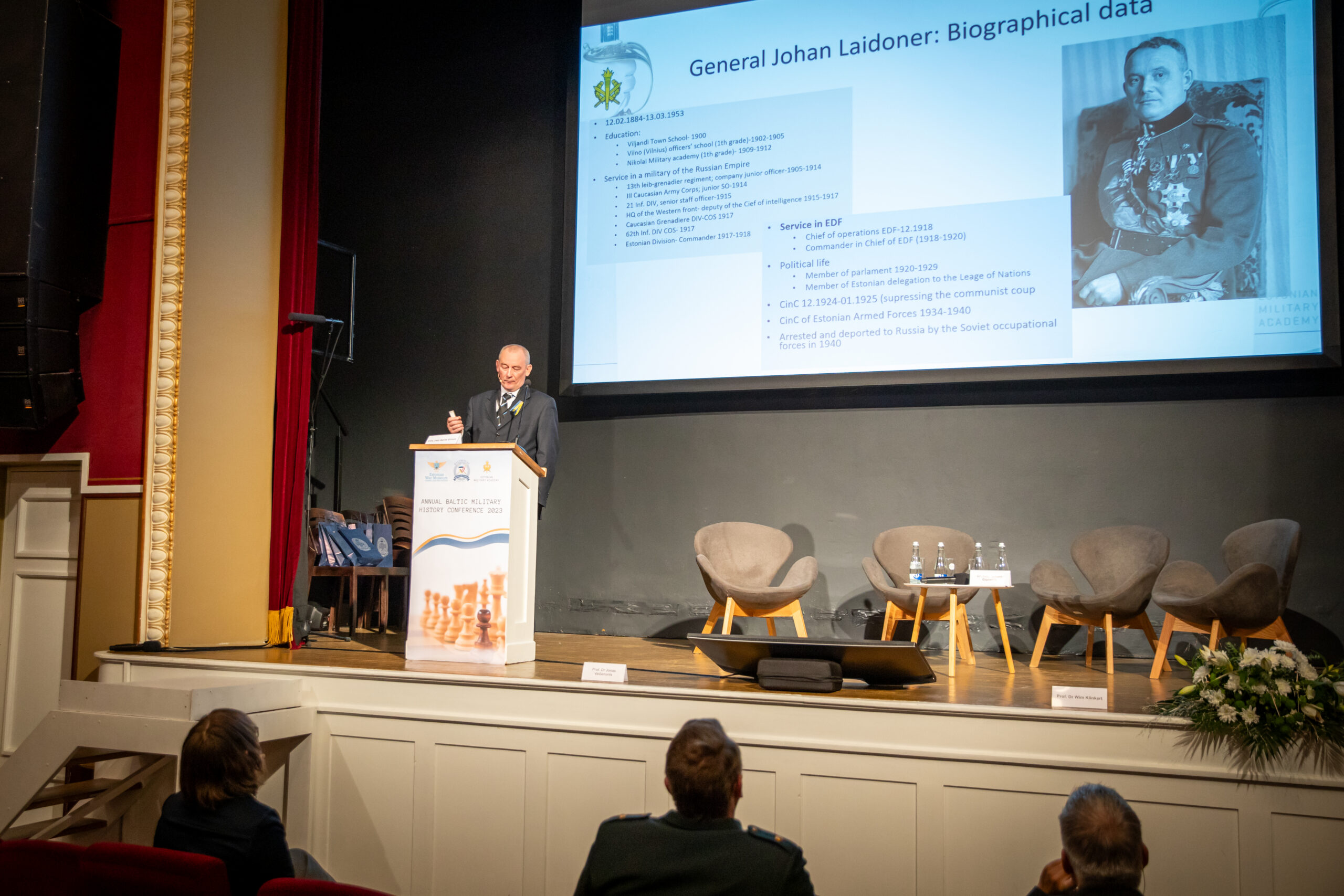
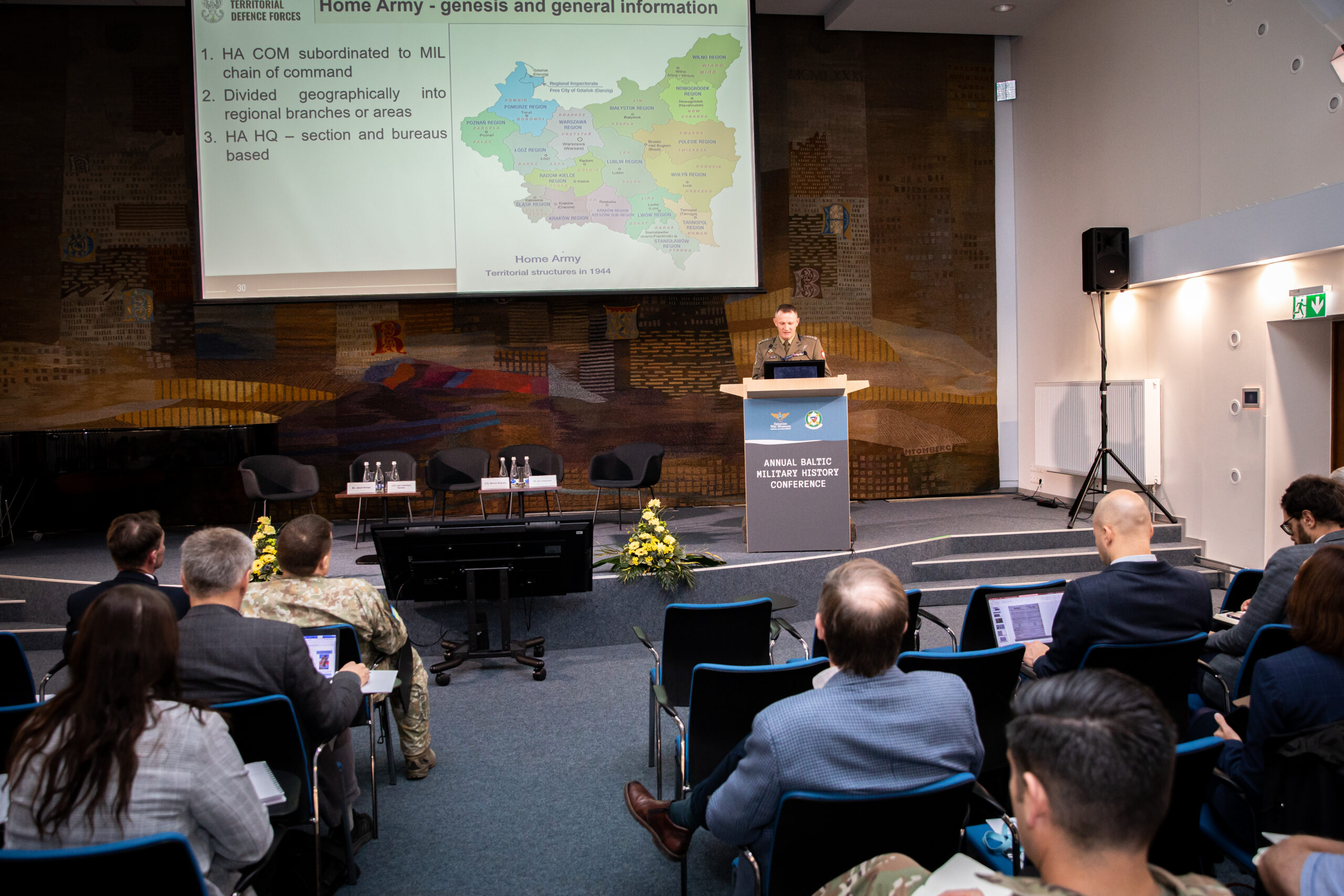
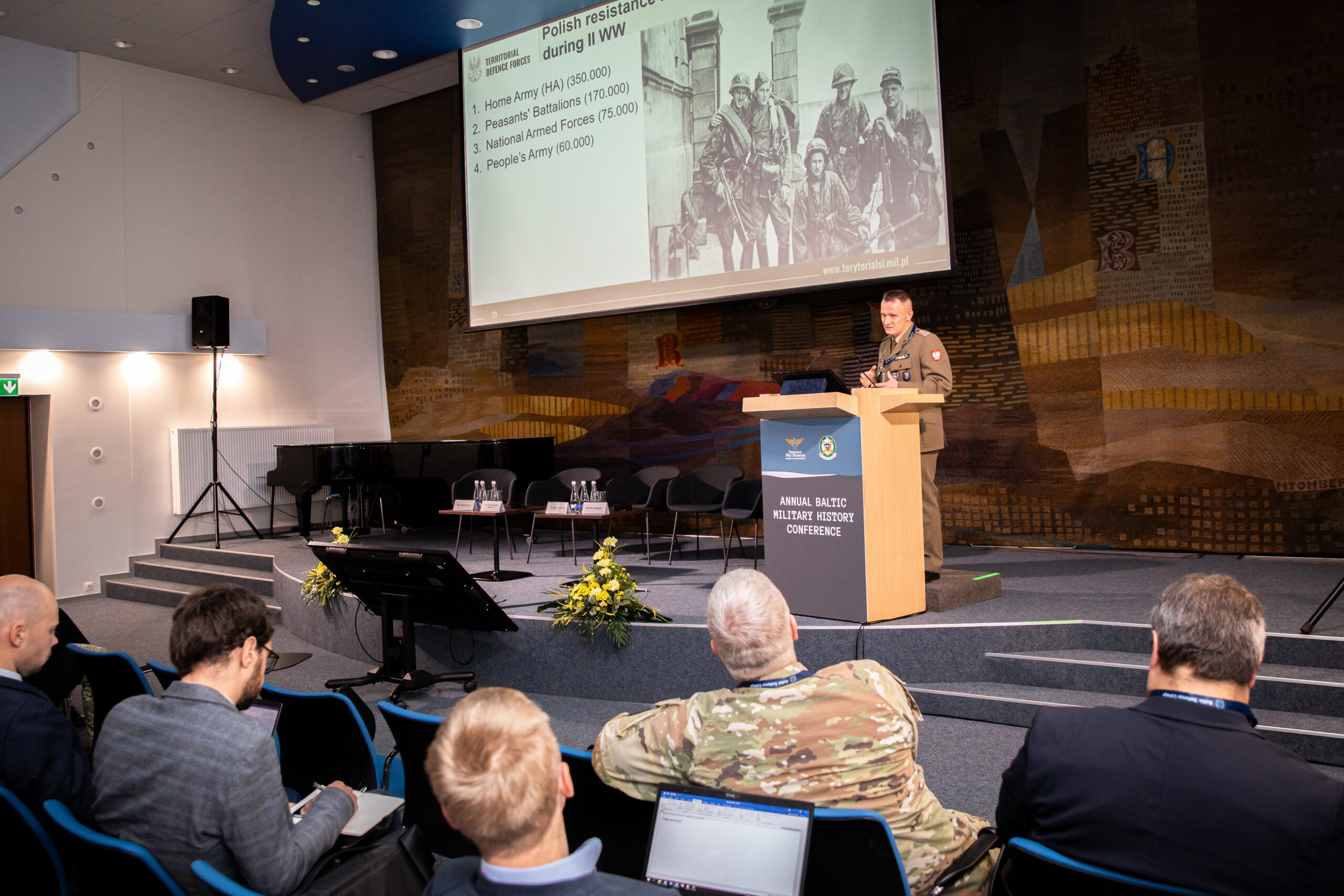
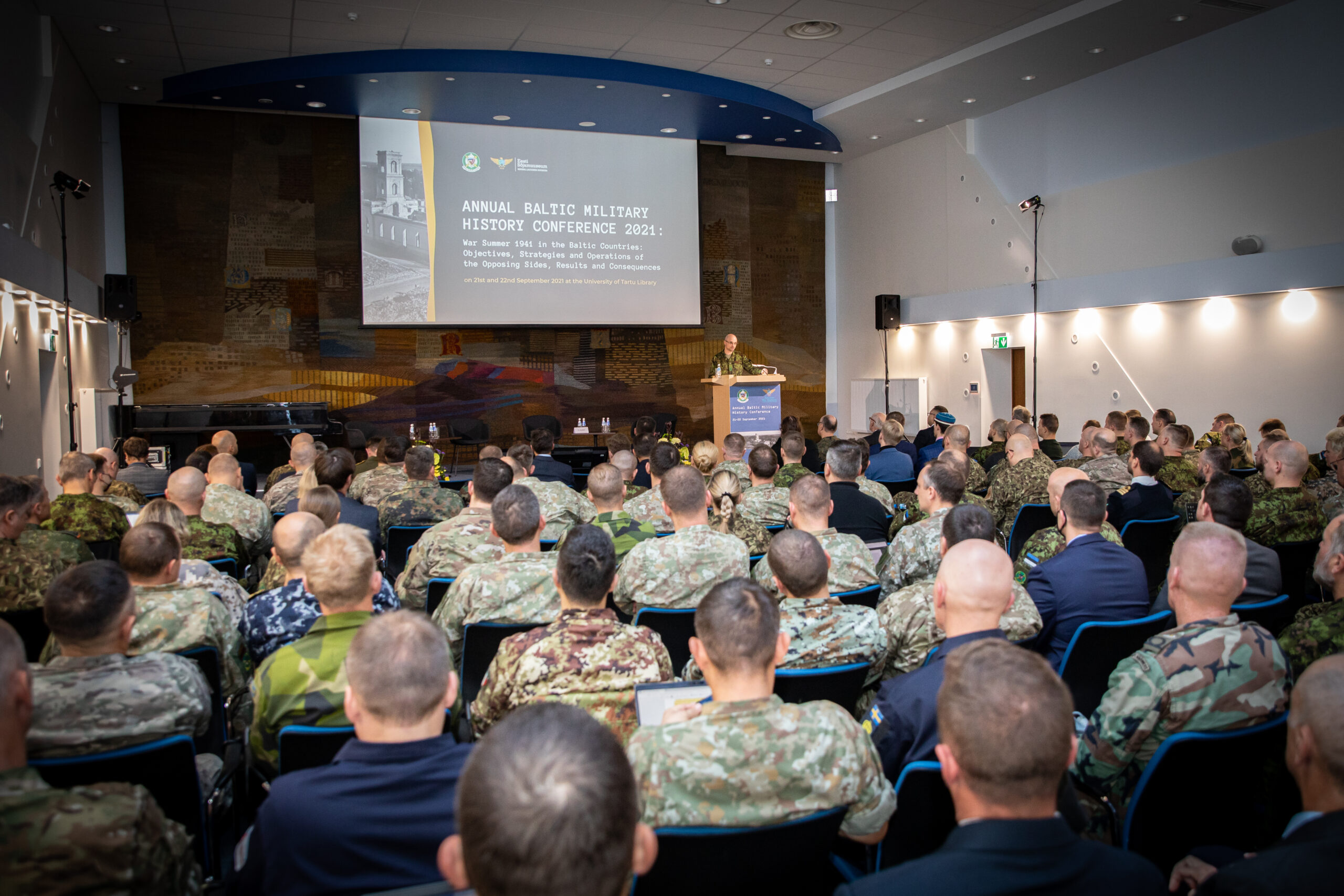
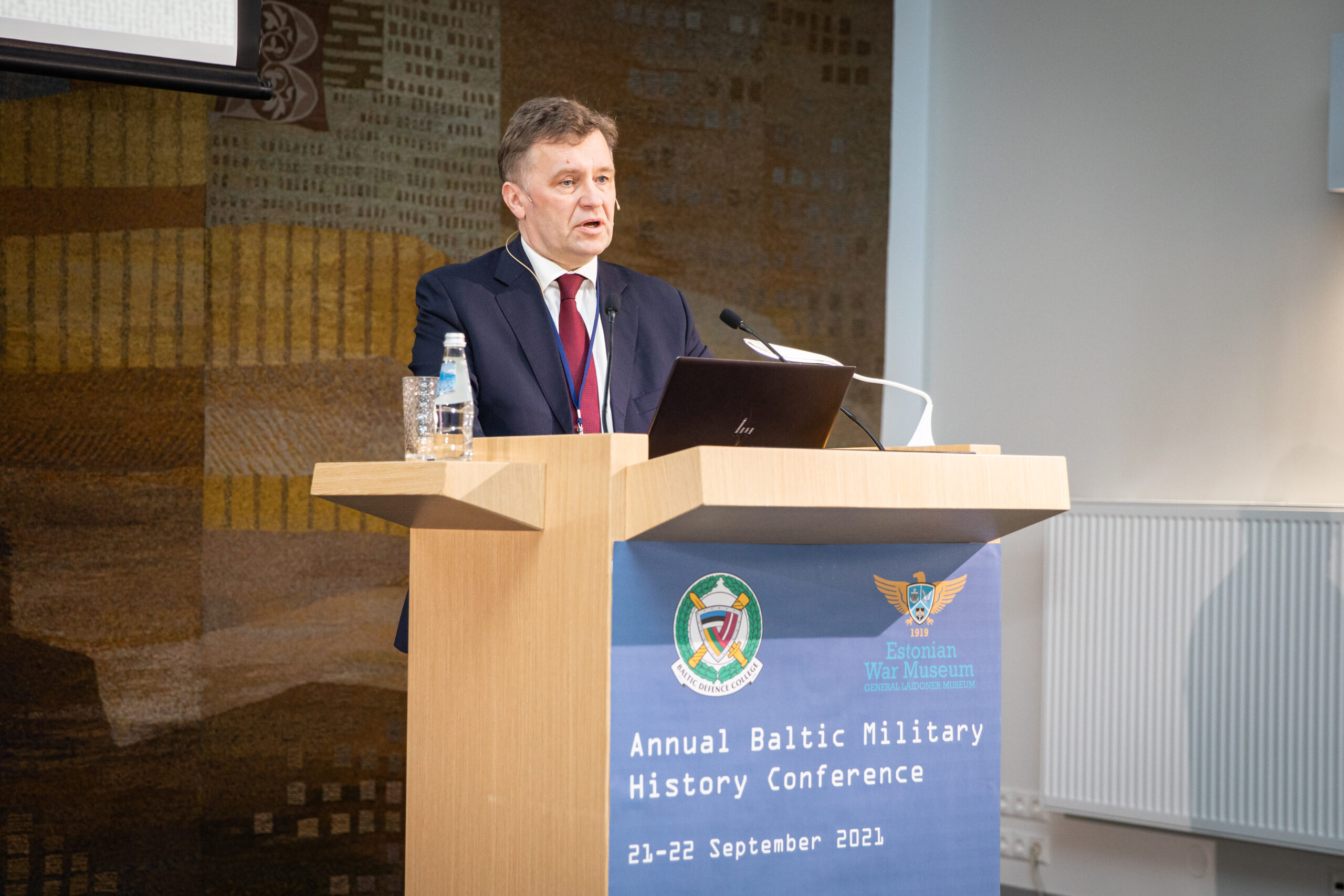
Photo: Estonian War Museum – General Laidoner Museum
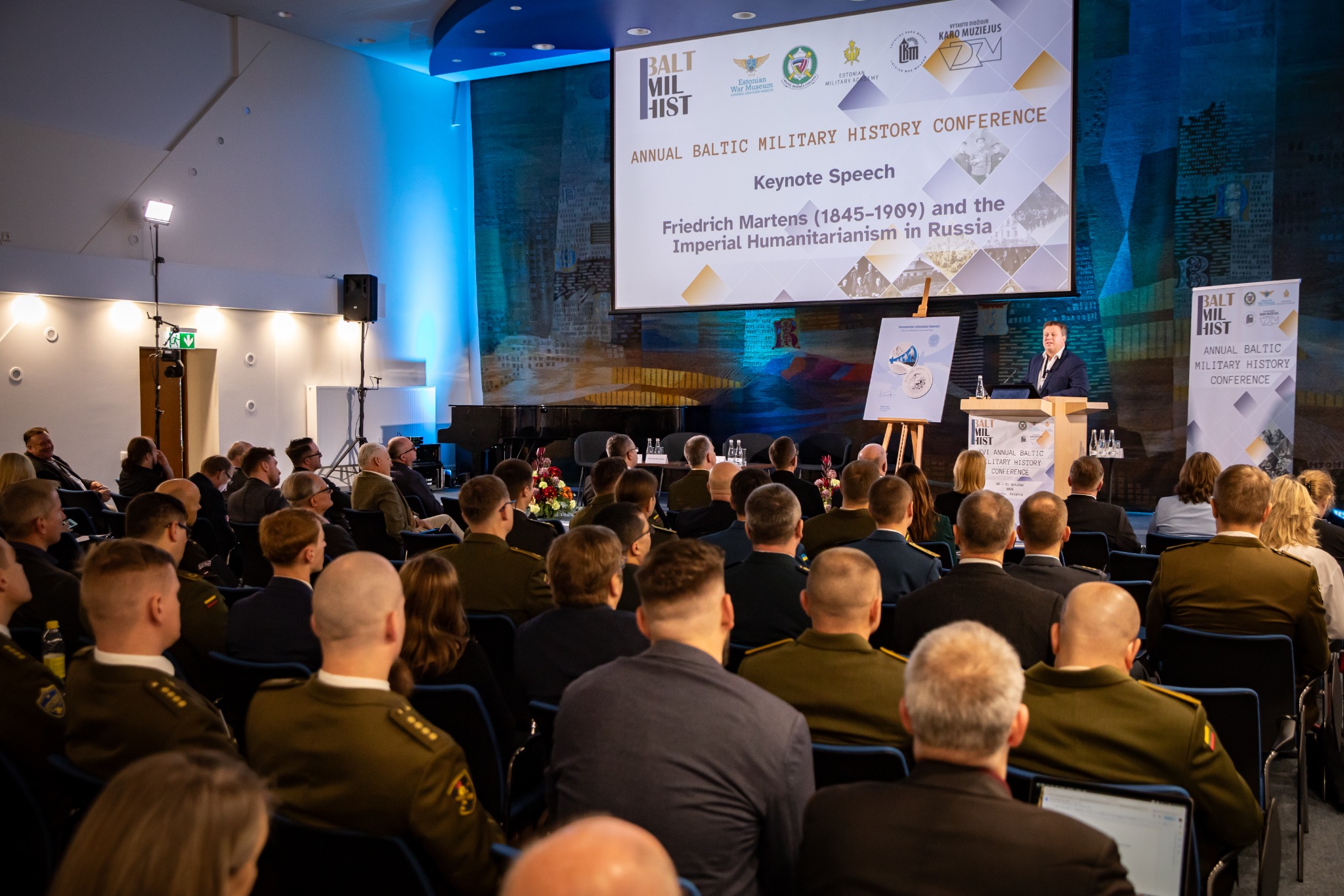
This year’s Baltic Military History Conference dives into the fight for dominance over the Baltic Sea in the 19th and 20th centuries – the sea that has functioned simultaneously as both connector and divider, shaping the region’s military and economic dynamics.
Mr Art Johanson
Colonel Jonathan Huxley, Deputy Commandant/ Chief of Staff of the Baltic Defence College
Mr Hellar Lill, Director of the Estonian War Museum – General Laidoner Museum
A Theatre of World Power: Britain, Russia and the Baltic 1807–1907
Prof Andrew Lambert, Kings College, London
The Return of the “Großraum”: From the Great Northern War to the Neo-Imperial War of the Present Day
PD Dr paed Dr phil Christian Wevelsiep, European University Flensburg
Relieve Bornholm – Professional Military Education (PME) in Defence of the Realm
MAJ Adam C. K. Buschard and MAJ Kristian Lindhardt, Royal Danish Defence College
Why Lithuania? Germany’s Permanent Brigade and the Return of the Baltic
Benjamin Pfannes, MA, University of Potsdam
The Concept of Latvian Maritime Border Protection and the Formation of the Navy, 1920s–1930s
Dr Juris Ciganovs, Latvian War Museum
The Development of Lithuania’s Naval Forces in the Baltic Sea (1934–1948) in the Context of Kazys Pakštas’s Geopolitical Vision
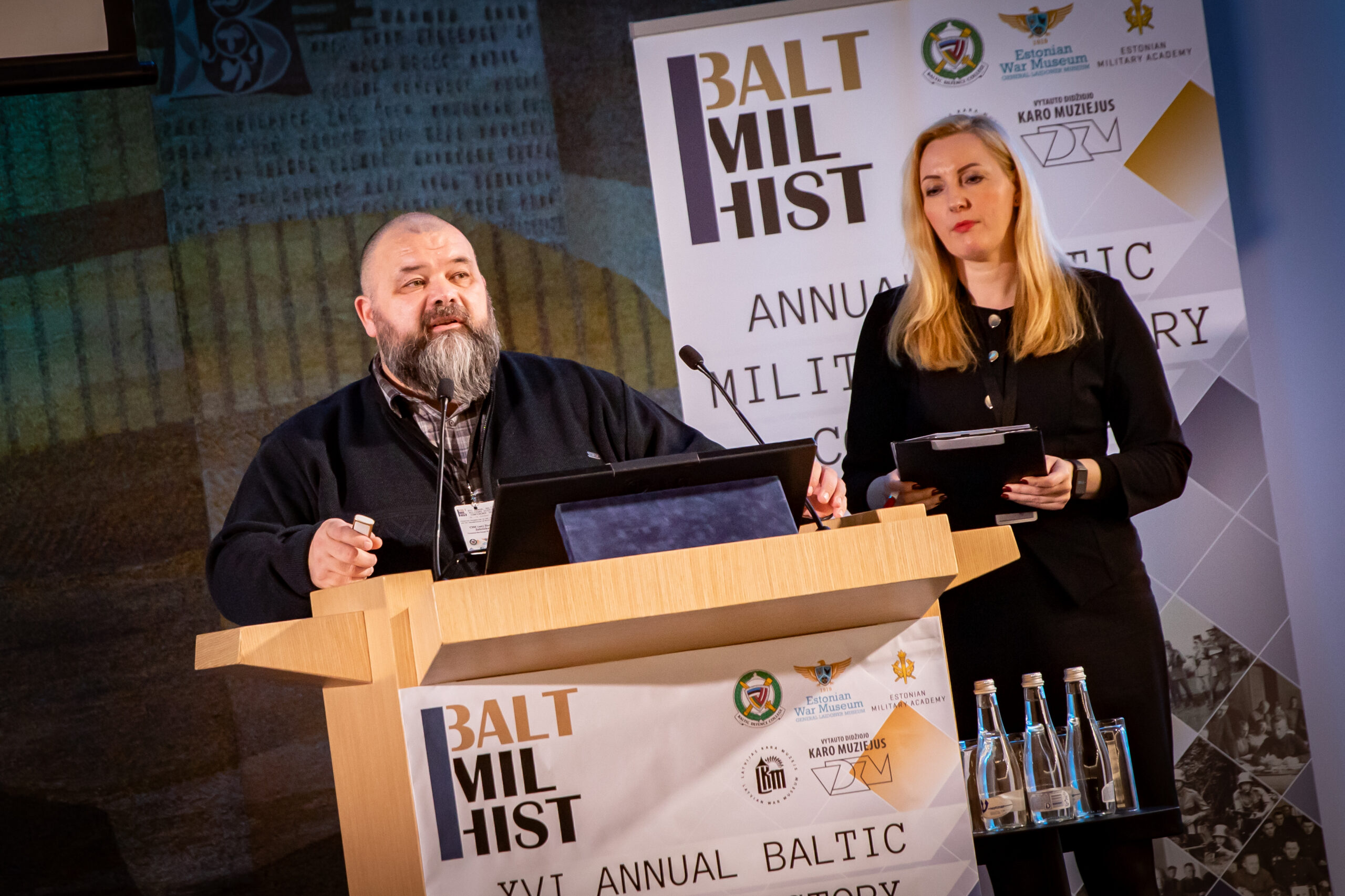
Dr Laima Bucevičiūtė and CSM (ret) Darius Zubrickas, Vytautas the Great War Museum
Navy Officers and Seafarers in Lithuania between Two World Wars: Training, Professional Networks
Tautvydas Kašiuba, MA, Klaipėda University
Closing Gulf of Finland: Estonian-Finnish Naval Cooperation 1930–1939
CDR Taavi Urb, Baltic Defence College
Operation Albion 1917: The Conquest of the Baltic Islands in the Context of German Strategy
Dr habil Markus Pöhlmann, Bundeswehr Centre of Military History and Social Sciences
Between Coastal Defence and Maritime Capability: Naval Development Plans and Defence Conceptualisation in the Lithuanian Armed Forces
Dr Mindaugas Sereičikas, Klaipėda University
Operation Catherine: To Take and Keep Naval Command in the Baltic – Churchill’s 1940 Plan for Sea Power Projection in the Baltic Sea
LTC (ret) Steen Bornholdt Andersen, Royal Danish Defence College
Danish Defence Planning during the Easter Crisis of 1948: Preparing for an Attack in the Baltic Approaches
Lene Behrendt Pedersen, MA, Royal Danish Defence College
Manfredi Gravina di Ramacca and the Making of Italian Military Influence in the Baltic Sea Region, 1919–1922
Dr Andrea Rizzi, Royal Historical Society
Franz Halder’s Visit to Estonia and Finland in June 1939: German Strategic Planning in the Baltic Sea Region
Dr Igor Kopõtin, Estonian Military Academy
Fortified Regions Planned by the USSR Along the Baltic Sea Coast in 1940–1941
Kęstutis Jankus, MA, Klaipėda University
The Development of Mine Warfare in Finland from World War II to the Cold War
Mikko Meronen, MA, Finnish Naval History in Forum Marinum, Turku
Red Army Occupation of Bornholm, 1945–1946: Military Necessity, Diplomacy and Strategic Ambiguity in the Baltic Sea
Dr Jakob Seerup, Bornholm Museum, Denmark
Targeting Western Europe: On the Development and Role of Soviet Missile Bases for IRBMs and MRBMs in the Baltic States
Dr Matthias Uhl, Max Weber Network Eastern Europe, Helsinki Branch
Baltic Submarine Force 1918–1940: Development of Submarine Forces by the Newly Independent Nations of Finland, Estonia, Latvia, and Poland
Dr Eric A. Sibul, State College of Florida
Versatility and Grace: The Development, Deployment, and Operational Legacy of the Armoured Cruiser
CDR Paul Austin, USN (ret), Estonian Military Academy
Search for Shipwrecks with the Swedish Research Vessel MS ALTAIR: The 1999–2000 Underwater Research Expedition Along the Coast of Latvia
Dainis Poziņš, MA, Latvian War Museum
We use necessary cookies to make this website work. With your consent, Vimeo and Google Maps may also set cookies or process device information. You can accept all, reject non-essential cookies, or manage your preferences. You can change your choice later.