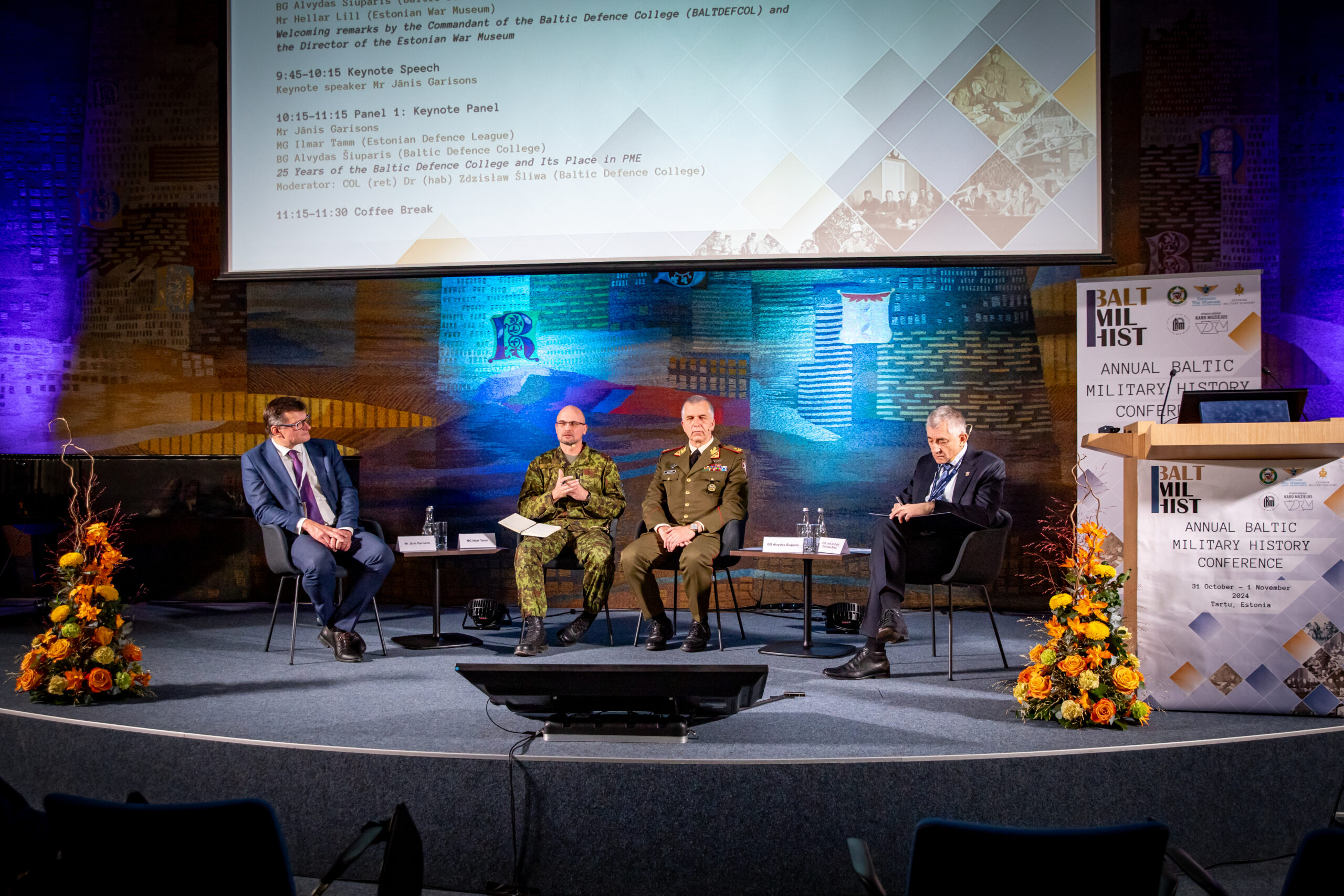
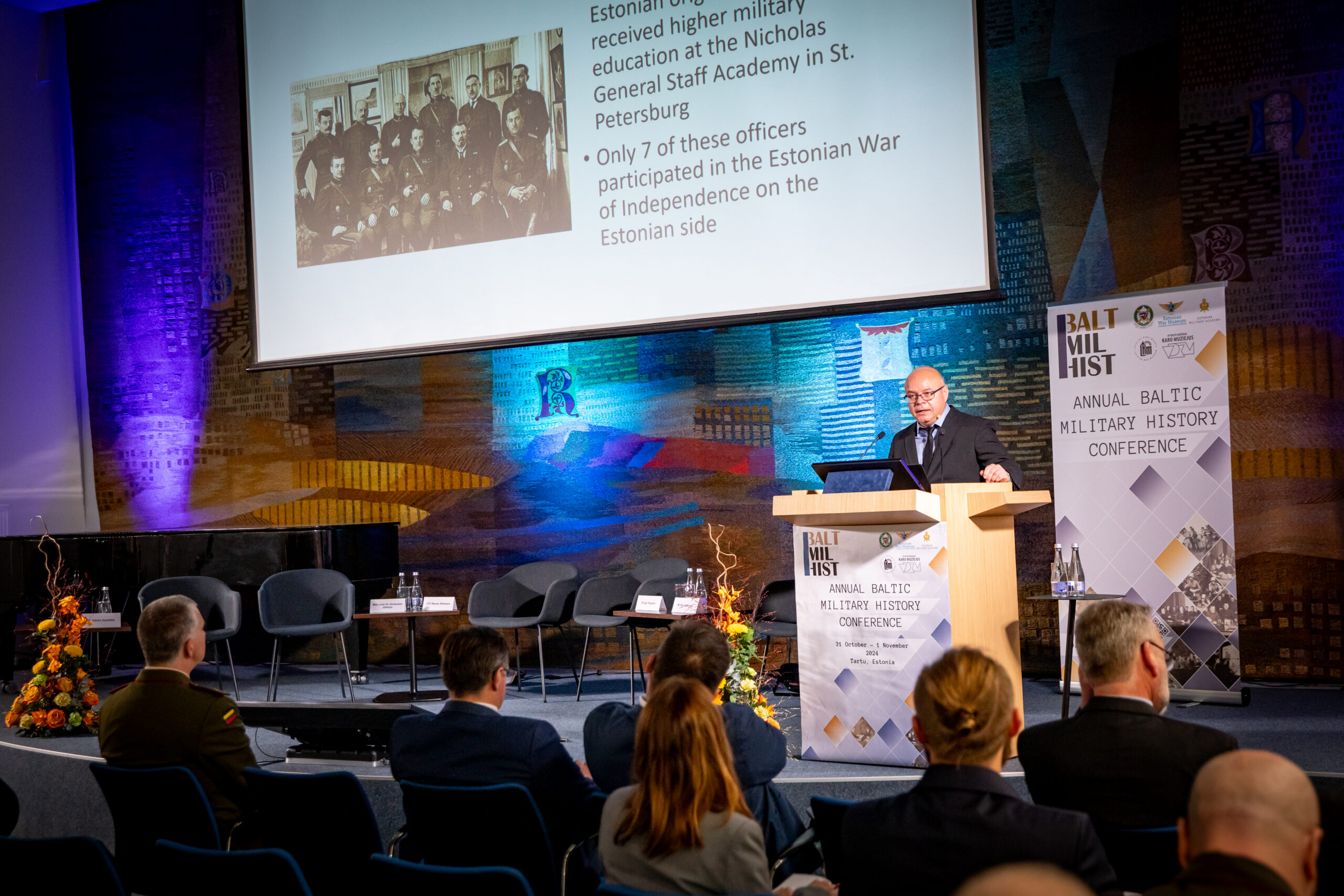
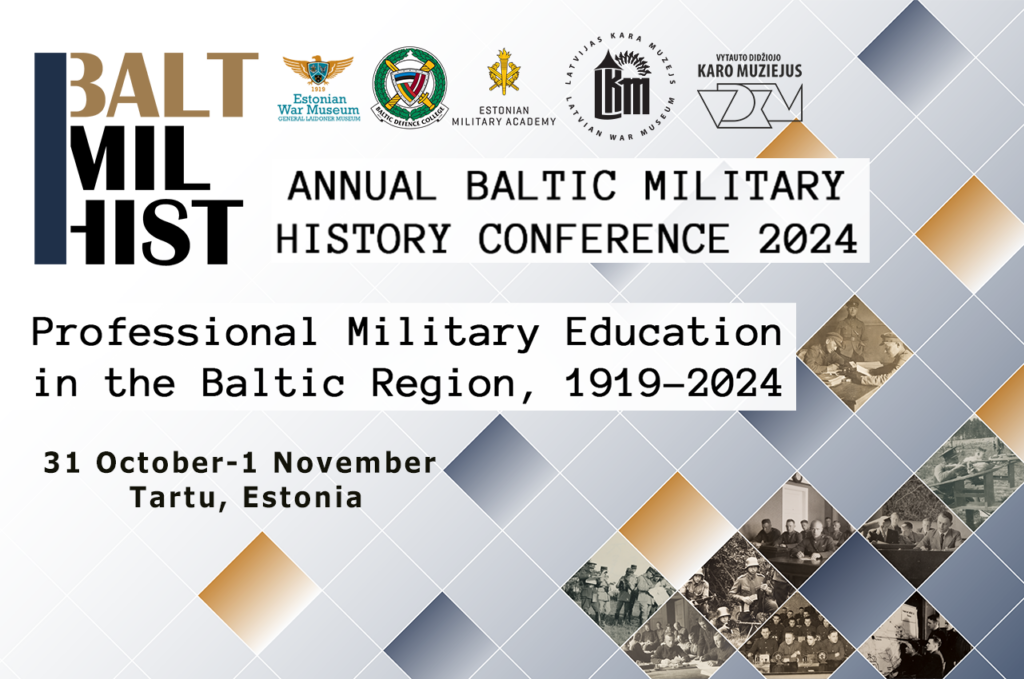
 Professional military education in the Baltic countries is around 200 years old. It was established during the Russian Empire already. There was a department of military science at the University of Tartu at the beginning of the 19th century and a military school was founded in Vilnius in 1864. The characteristics of professional military education underwent great changes before the Great War, between 1919 and 1940, and during and after the Cold War.
Officer training and military education in the independent Baltic countries began during their wars of independence in 1919. It was initialy designed to satisfy wartime needs. In the 1920s, military education had to be reorganized for peacetime conditions. The vision for professional military education was multifaceted, from educating cadets to developing strategic thinking and planning. Higher military officers constantly placed a great emphasis and high expectations on military education, and these small states could not afford "idleness". In addition, the expectations on professional military education were driven by constant change. There were many reasons for this dynamic: primarily, these were peacetime changes, but they were affected by the turmoil caused by the great depression and the threat of World War II. Defence planning and doctrinal changes had a significant influence as well.
During the Second World War most higher and senior officers of the armies of the Baltic states were imprisoned by the Soviet state security agencies after the occupation of the Baltic states. They were either sentenced to death or to long years of imprisonment in the GULAG. On the other hand, there were a lot of officers, mostly junior grade, who fought in the Red Army, the German Army, or the Finnish Army. Their educational background affected their performance on the battlefield.
After the restoration of independence of the Baltic states in the beginning of the 1990s, the re establishment of the institutions of military education was initially formulated in their individual national contexts. For example, there were strong influences from the Nordic countries (Denmark, Finland, and Sweden) and other states. Professional military education gradually recovered, and one of its results was the Baltic Defence College, which recently celebrated its 25th anniversary.
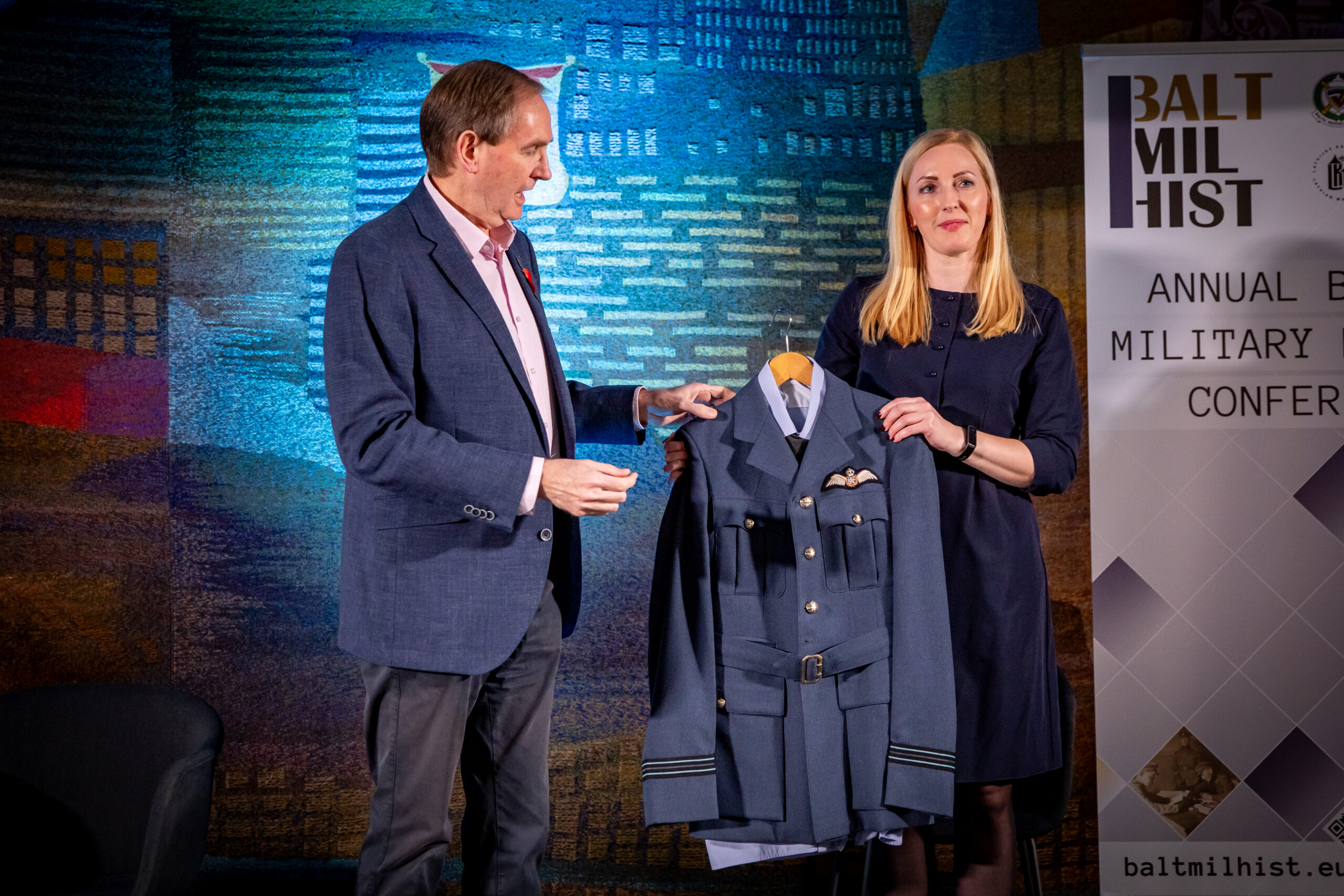
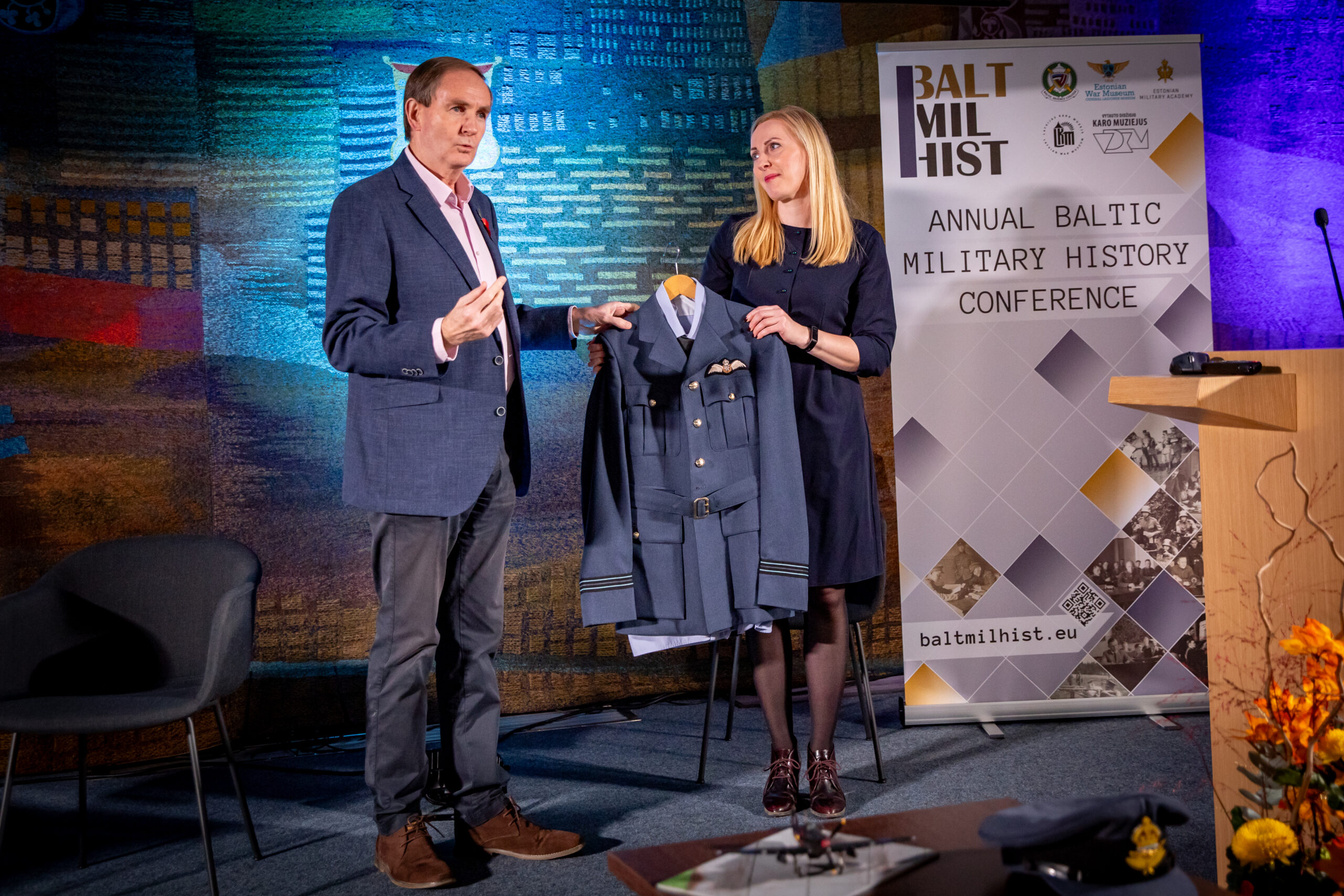
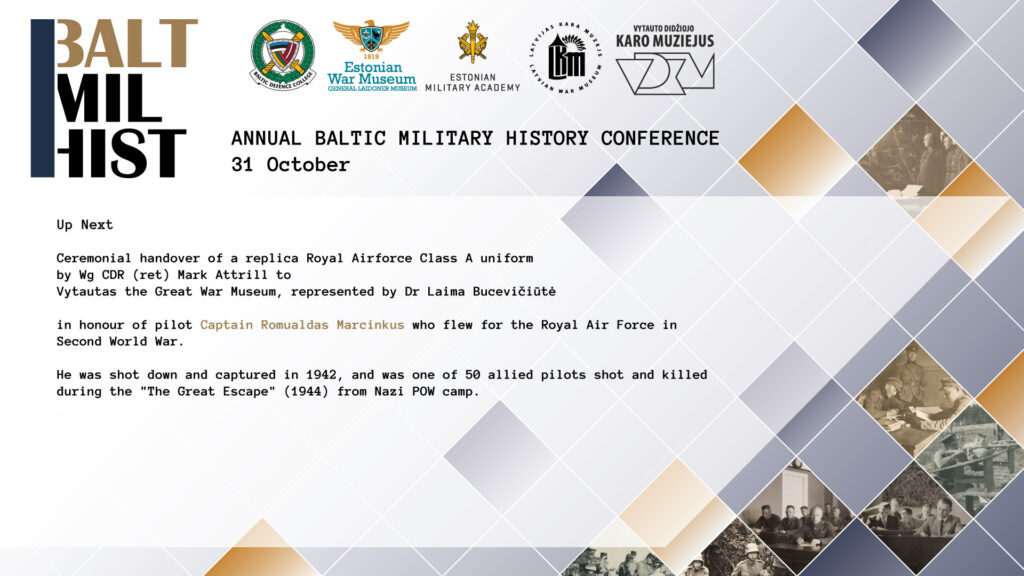
During the Conference, a ceremonial handover of a historically significant replica took place, honouring the legacy of Captain Romualdas Marcinkus, a distinguished Lithuanian pilot who served with the Royal Air Force (RAF) during World War II.
Professional military education in the Baltic countries is around 200 years old. It was established during the Russian Empire already. There was a department of military science at the University of Tartu at the beginning of the 19th century and a military school was founded in Vilnius in 1864. The characteristics of professional military education underwent great changes before the Great War, between 1919 and 1940, and during and after the Cold War.
Officer training and military education in the independent Baltic countries began during their wars of independence in 1919. It was initialy designed to satisfy wartime needs. In the 1920s, military education had to be reorganized for peacetime conditions. The vision for professional military education was multifaceted, from educating cadets to developing strategic thinking and planning. Higher military officers constantly placed a great emphasis and high expectations on military education, and these small states could not afford "idleness". In addition, the expectations on professional military education were driven by constant change. There were many reasons for this dynamic: primarily, these were peacetime changes, but they were affected by the turmoil caused by the great depression and the threat of World War II. Defence planning and doctrinal changes had a significant influence as well.
During the Second World War most higher and senior officers of the armies of the Baltic states were imprisoned by the Soviet state security agencies after the occupation of the Baltic states. They were either sentenced to death or to long years of imprisonment in the GULAG. On the other hand, there were a lot of officers, mostly junior grade, who fought in the Red Army, the German Army, or the Finnish Army. Their educational background affected their performance on the battlefield.
After the restoration of independence of the Baltic states in the beginning of the 1990s, the re establishment of the institutions of military education was initially formulated in their individual national contexts. For example, there were strong influences from the Nordic countries (Denmark, Finland, and Sweden) and other states. Professional military education gradually recovered, and one of its results was the Baltic Defence College, which recently celebrated its 25th anniversary.
During the Conference, a ceremonial handover of a historically significant replica took place, honouring the legacy of Captain Romualdas Marcinkus, a distinguished Lithuanian pilot who served with the Royal Air Force (RAF) during World War II. The replica, a Royal Air Force Class A uniform, was presented by Wing Commander (Ret) Mark Attrill to Dr Laima Bucevičiūtė, representing Vytauto Didžiojo karo muziejus/Vytautas the Great War Museum. This symbolic gesture celebrates the valour of Captain Marcinkus, who, after his plane was shot down in 1942, endured the hardships of a German POW camp. This conference was a collaborative effort, jointly organised by the Baltic Defence College, the Estonian War Museum – General Laidoner Museum, the Estonian Military Academy (Estonia), the Latvian War Museum (Latvia), and the Vytautas the Great War Museum (Lithuania).
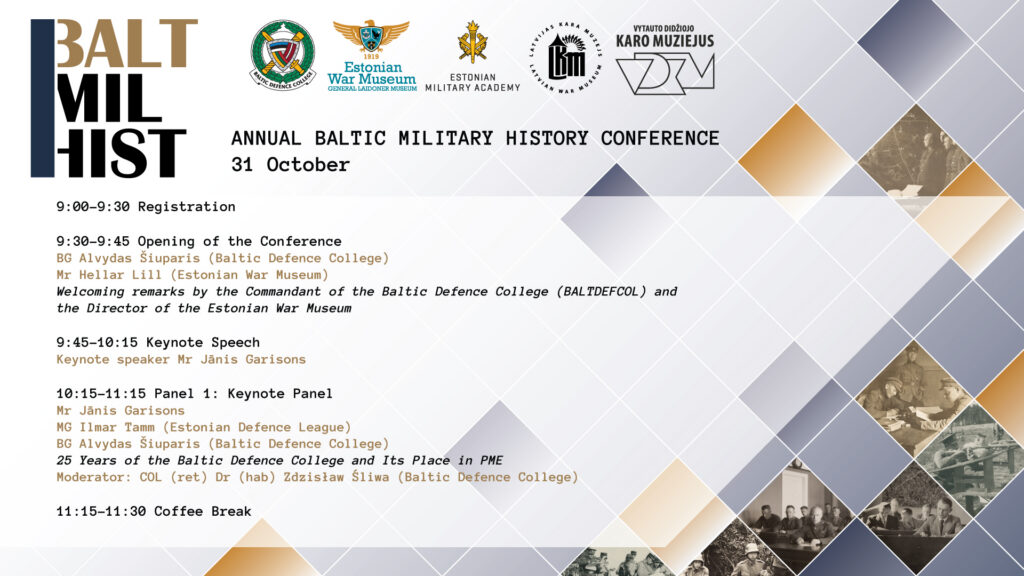
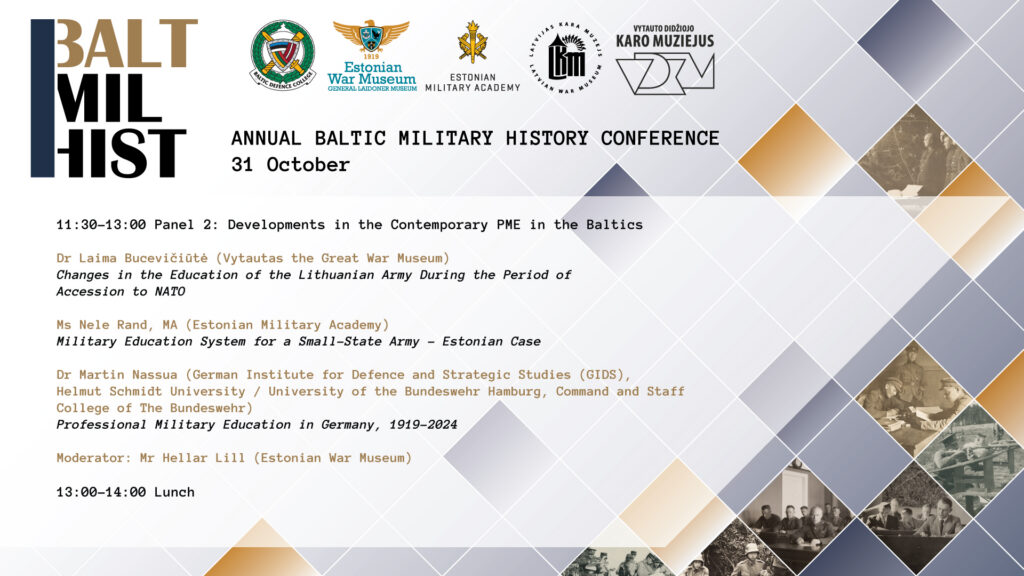
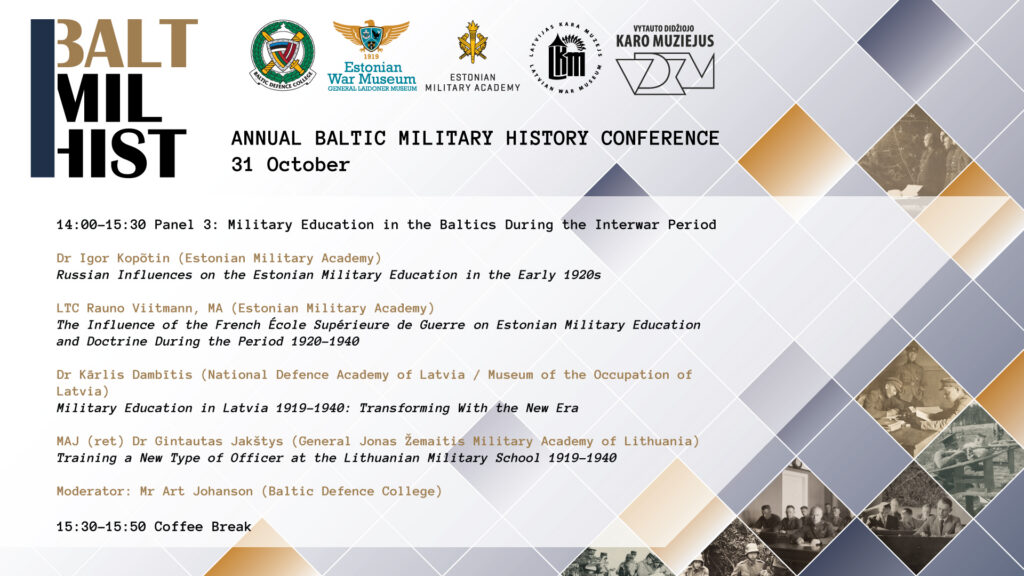
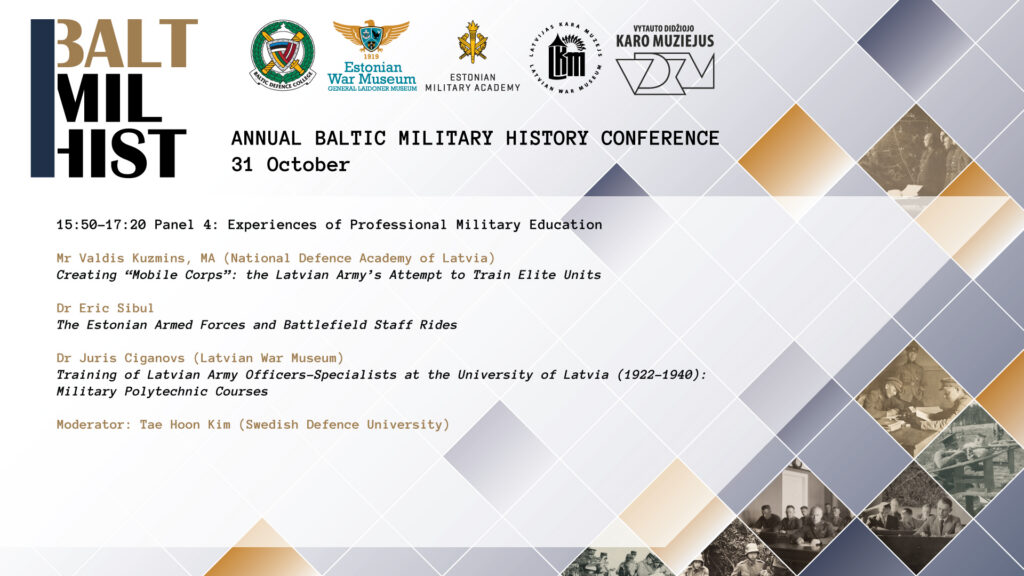
2024 Programme
2024 Photo Gallery